
There are few animals that generate the kind of enthusiasm and following that ravens, crows, magpies and other birds in the corvidae family do. Their presence in our lives is so significant, they appear in the creation stories and fables of nearly all peoples. Today, our love for these birds has given rise to what feels like an entire industry of books, jewelry, artwork, and of course literal fan clubs, some of which serve many tens of thousands of followers. This community is not only fun to be a part of, but is doing important things to improve the reputation of corvids among those individuals or communities who might consider them a nuisance.
There are a couple of common ways though that, in our attempt to uplift corvids, our fandom sometimes trivializes the traditional beliefs of Indigenous North Americans, primarily through cultural appropriation and erasure. If it’s a new or esoteric term to you, cultural appropriation is the act of copying or using the customs and traditions of a particular people or culture, by somebody from another and typically, more dominant people or society.1 Here are three small steps the non-Native community (of which I am a part) can take to more respectfully celebrate our love of corvids, and the people for whom they traditionally hold deep cultural meaning.
#1 Don’t use the term “totem” or “spirit animal,” choose an alternative
In every place and time that humans and corvids co-occur, people have made culturally important meanings, stories, and symbology about these special birds. As a united group of corvid fans, it may therefore be tempting to sample from these practices as a means of creating community. One common way I see this manifest is in the use of terms like spirit animal to describe someone’s connection to a particular corvid. Like animism (the belief that all material possesses agency and a spirit) the term itself appears to have been an invention of anthropologists, but its intent is to refer to Indigenous religious practices. Co-opting this practice as our own, no matter how well-intentioned, devalues cultural traditions that are not ours to claim.
A quick Etsy search of the term demonstrates just how far we’ve allowed the abasement and monetization of this practice by non-Indigenous people (i.e wine is my spirit animal t-shirts.) Even in cases where our use of cultural appropriation doesn’t feel objectively derogatory (it might even feel honorific), its adoption by non-Indigenous people is the kind of cultural cherry picking that has long frustrated Indigenous communities.
“Dear NonNatives: Nothing is your spirit animal. Not a person, place or thing. Nothing is your spirit animal. You do not get one. Spirit animals derive from Anishinaabe and other tribes deeply held religious beliefs. It is a sacred, beloved process that is incredibly secret.”
—Mari Kurisato
To ignore those frustrations and claim that our use of this religious practice is either benign or born out of respect, is to prioritize the needs and feelings of ourselves above those for whom literal and cultural genocide remain contemporary battles. In other words, it’s an act of racism. Of course, Indigenous peoples are not a monolith, and you may find individuals that feel no harm from non-Natives using this term, or even grant you specific access to it (though beware of plastic shamans.) In these cases, I offer that it’s harmless to decline using it despite any special permissions, while adopting it risks hurting and alienating the broader communities for which this or similar terms are sacred.
Fortunately, there are many alternative ways to express kinship with corvids that do not rely on cultural theft. Here are a few of my favorites: muse, soulmate, best friend, fursona, daemon, icon, desired doppelgänger, secret twin, and familiar.

#2 Recognize the diversity of Indigenous nations
Pretty regularly, I see infographics pass through my social media feeds depicting either a photo or some kind of Indigenous-esque looking art and a sound bite about a “Native American” story about crows or ravens. While the intent here is obviously to celebrate a shared love of corvids, the means of doing so makes no effort to actually learn the story or, importantly, from whom that story originates.
There are 574 federally recognized Indigenous nations in the United States. There are even more when you include non-federally recognized tribes (ex: the Duwamish on whose lands much of the Seattle area is built.) While there is certainly shared knowledge and traditions, it’s important to recognize that these are independent nations with their own creation stories and traditions. For example, the story of Raven stealing the sun to bring light to earth is a Haida, Tsimshian, and Tlingit legend.2
Attributing them as simply “Native American” stories erases their cultural heritage by treating all Indigenous peoples as a monolith with unified cultural traditions. This is especially pernicious when these stories are told in the past tense, as if the people from whom they originate are gone. Putting in the effort to research where specific stories come from, and how and where that community exists now, is an important step to recognizing and respecting different tribal identities.

For the same reason, another important practice is to research on whose land you currently enjoy the corvids you watch or photograph.
As Larissa Fasthorse explains, “Always know whose land you’re standing on. Who are the original people of that land? You need to find that out. You need to know those people, and, where are they? Are they still there? If not, why? Where have they gone? Start to learn, start to educate yourself. Whose land are you profiting from and how can you start to pay that back in your own way.”
Larissa Fasthorse, interview on Here and Now 10/12/20
So the next time you see an interesting legend about corvids, do some research to learn about the actual people behind that story. Beware of sharing memes that make no effort to do that work. That’s generally a sign that they were not written by someone of that cultural heritage and are more interested in gaining likes and shares than honoring other people. Know on whose ancestral land your corvid watching takes place, and seek out print or digital resources to learn about those people.
While the line between cultural appropriation and cultural appreciation can be fine, a willingness to seek out knowledge beyond what caught your initial attention is the best way to ensure you’re not engaging in cultural cherry picking. There are several great resources to starting doing this including Whose Land, which is an Indigenous-led project. You can also find more local resources that may serve you better, including the websites of individual tribes.
#3 Buy books and artwork directly from Indigenous sellers
Be it from Navajo, Tlingit, or Haida origins, Indigenous depictions of corvids are unequivocally beautiful. It’s only natural that corvid lovers might wish to enjoy such artistry in jewelry, paintings, sculptures, or books. As long as it’s not in the pursuit of a costume or other forms of identity theft, purchasing and displaying Indigenous art is encouraged, especially when you can use it to draw more attention to the artist. Sadly though, the number of Indigenous creators are far out-numbered by non-Native people looking to profit off their culture.
For example, the Alaska Department of Commerce and Development estimates that 75-80% of what is branded as Native art, was not actually made by Alaska Natives, resulting in the redirection of millions of dollars away from Alaska Native communities.3 So before swiping that credit card, make sure that the creator of that piece has the cultural heritage to claim ownership of it. As the Indigenous led Eighth Generation collective puts it, make sure it was created by “inspired Natives” and was not “Native-inspired.” Don’t be afraid to ask shop owners or gallery curators this question directly. That’s not only an easy way to find out, but it signals to that purveyor that sourcing directly from Indigenous creators is something their customers require. Buying directly from Indigenous artists is an even better option.
Here are a few Indigenous creators and collectives and a slideshow of their products:
Eighth Generation
I-Hos Gallery
B. Yellowtail
Warren Steven Scott
The Shortridge Collection
Seaalaska Heritage Library
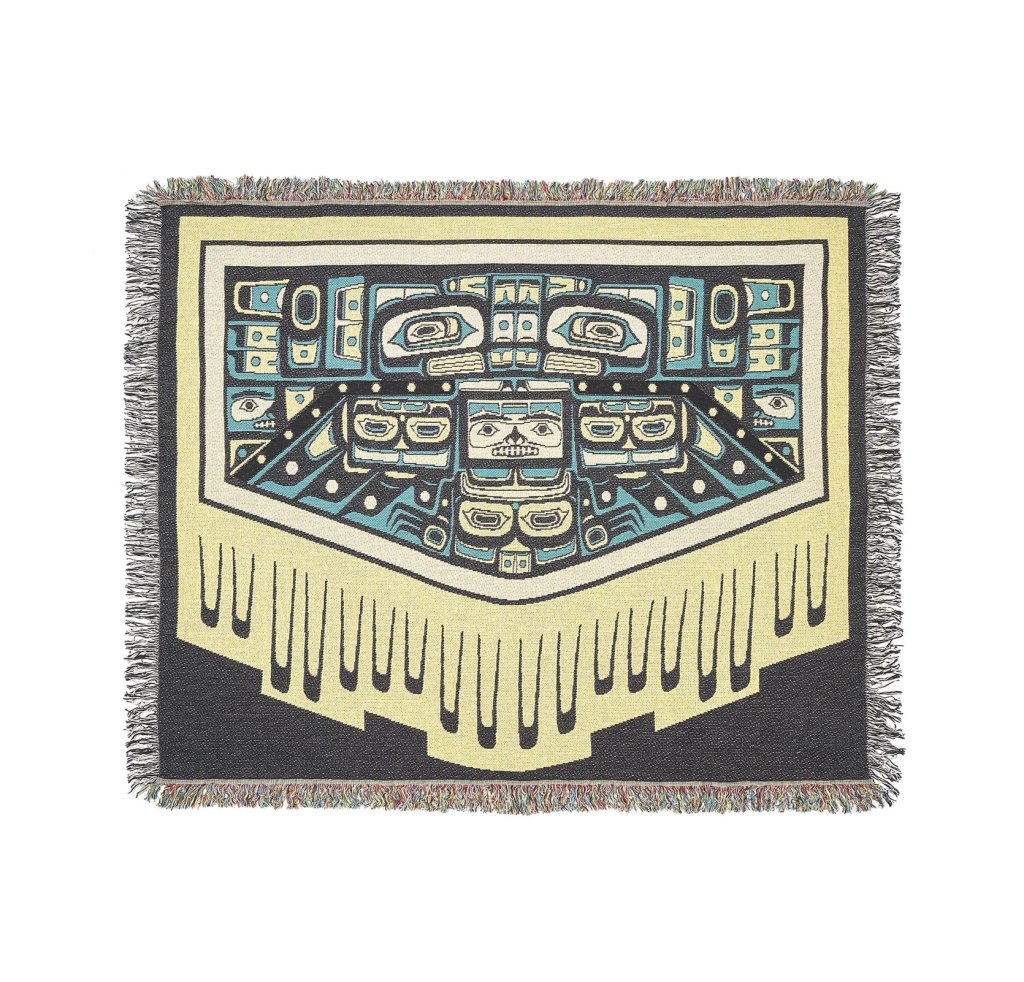

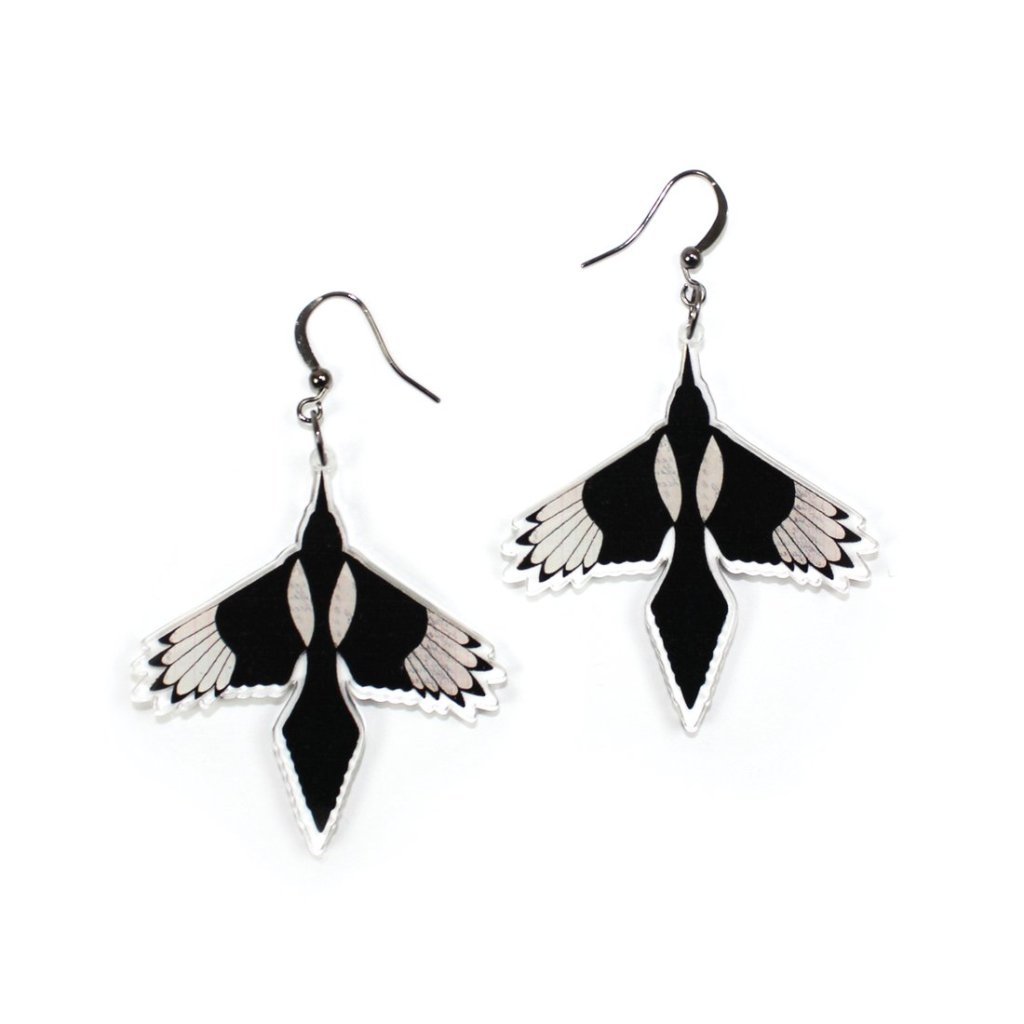
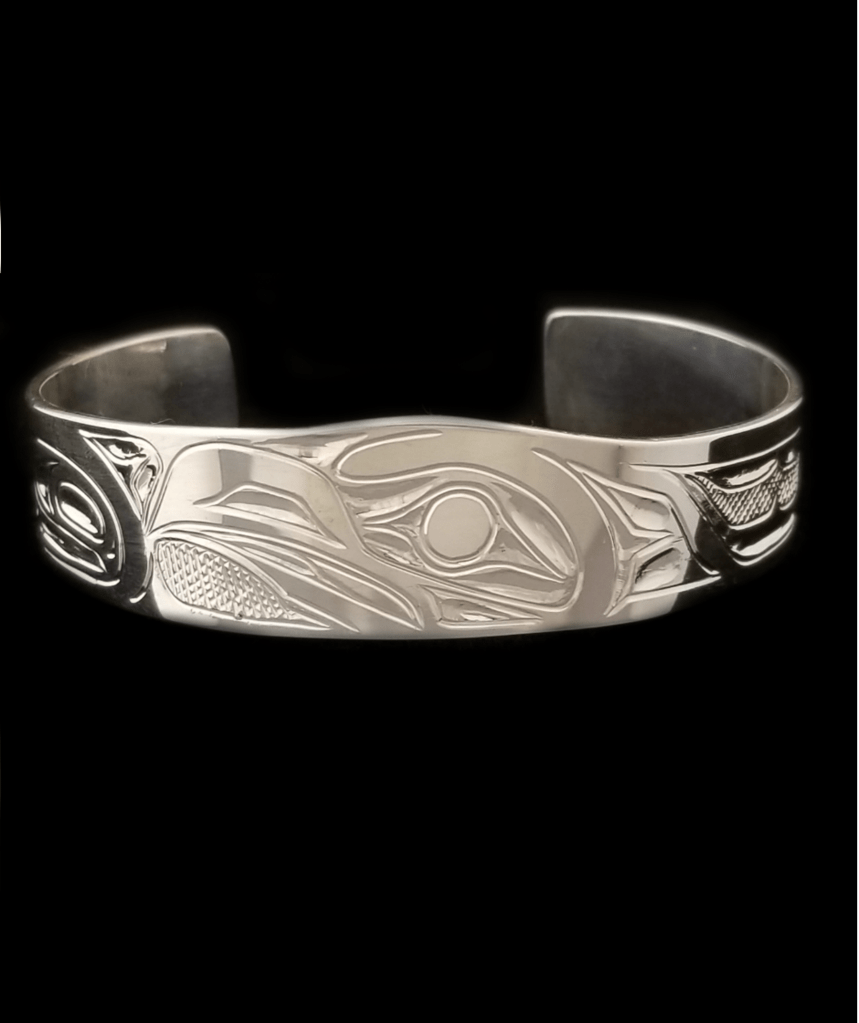

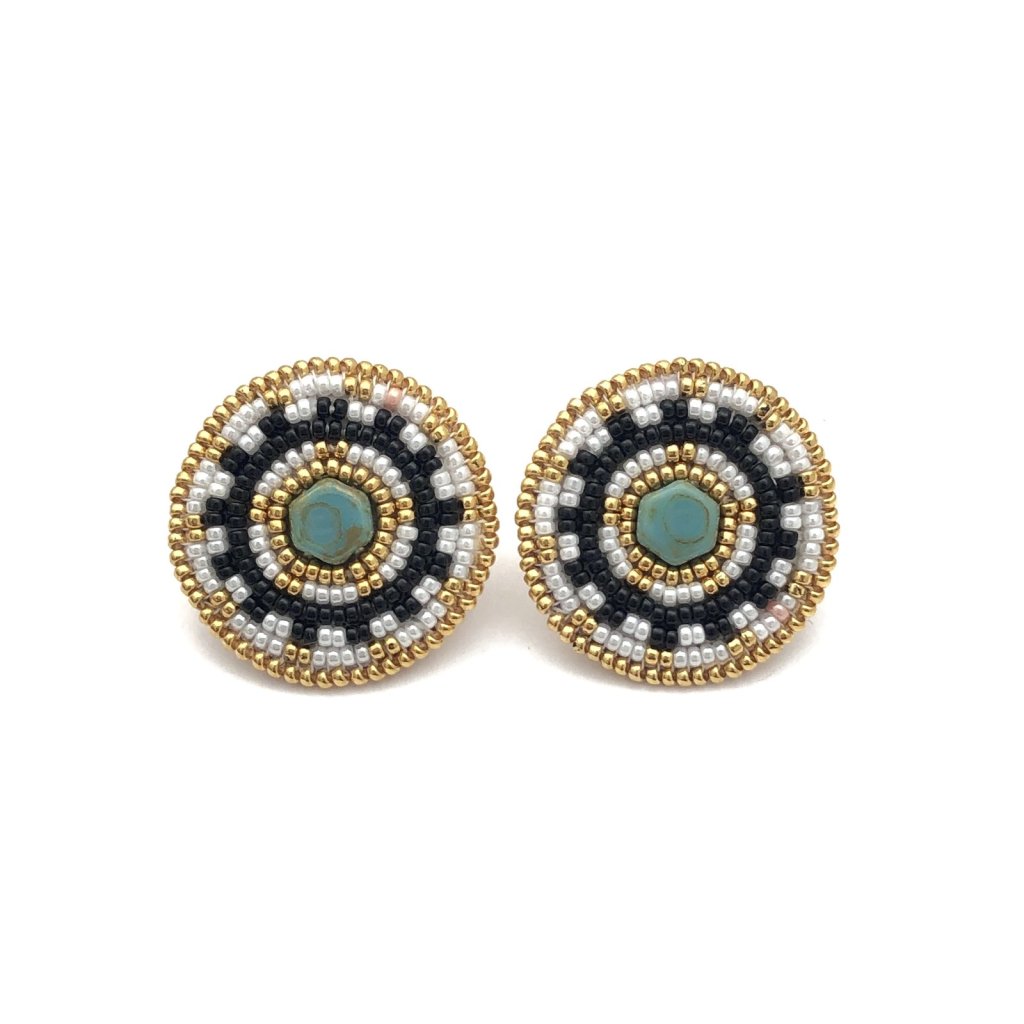

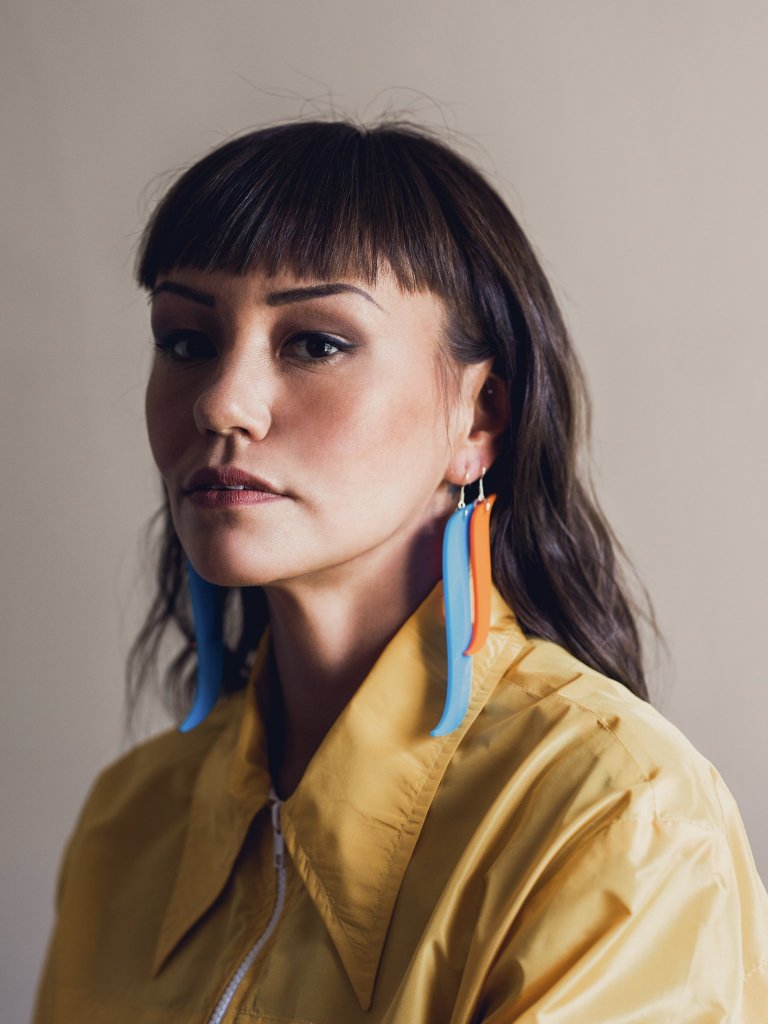

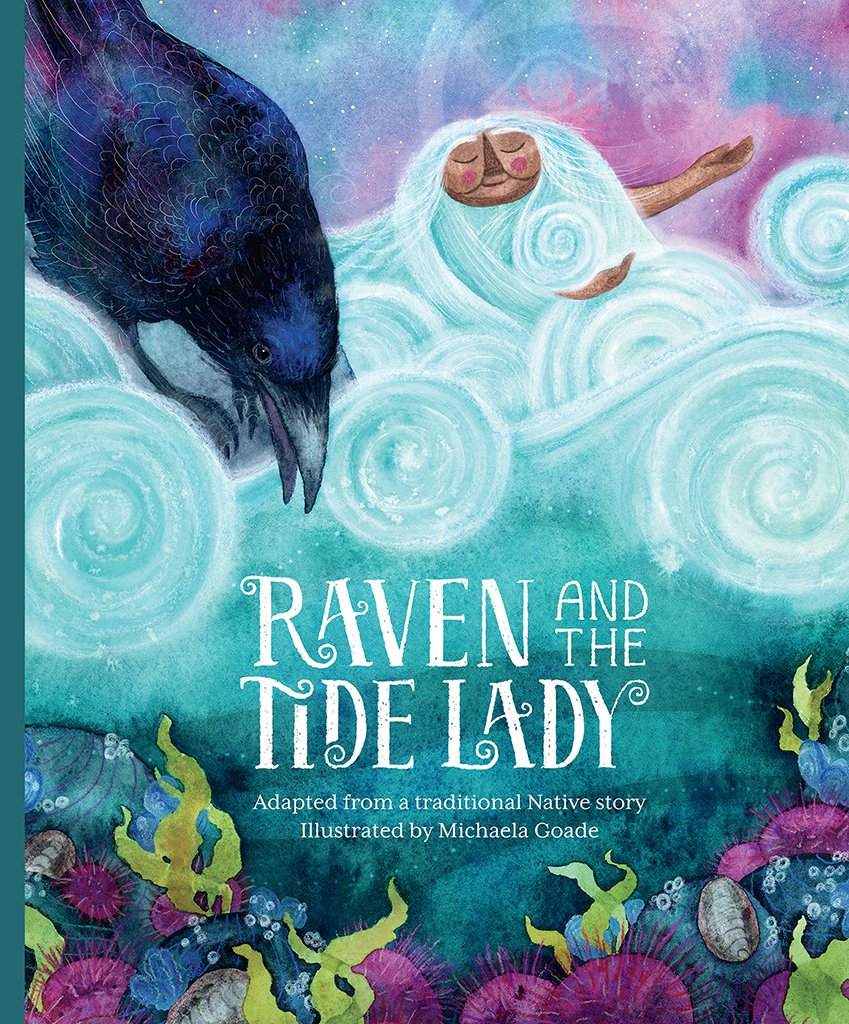

As always when buying from artists, expect the price to reflect that the piece supports a livelihood and don’t attempt to barter. The goal shouldn’t be to simply obtain a beautiful object, but to celebrate and support the person who took great care to craft a sharable piece of their identity.
Reconciling the ongoing pain caused by centuries of brutality, land theft, and cultural erasure will not be an easy process. It’s uncomfortable, for example, to realize that while your intent was simply to love on corvids, something you’ve done or said is being called out as anti-Indigenous. But it’s essential that we are willing to engage with that discomfort because it’s through that process that we learn and initiate positive change. Inviting Indigenous voices into your spaces is the most important way to start or continue that effort. Please look for the following individuals who are but a drop in the list of fantastic people you can find. And if you appreciated this article, please consider making a donation to one of the individuals or organizations listed below.
Twitter
Vincent Schilling (@vinceschilling)
Delores Schilling (@DelSchilling)
Jesse Wente (@jessewente)
Mari Kurisato (@wordglass)
Katherine Crocker (@cricketcrocker)
Chief Lady Bird (@chiefladybird)
Daniel Heath Justice (@justicedanielh)
Jay Odjick (@JayOdjick)
Kat Milligan-Myhre (@Napaaqtuk)
Alethea Arnaquq Baril (@Alethea_Aggiuq)
Ruth Hopkins (@Ruth_HHopkins)
Nick Estes (@nickestes)
Kim Tallbear (@KimTallbear)
Kyle White (@kylepowyswhyte)
Ō’m”kaistaaw”kaa•kii (@mariahgladstone)
Indigenous folks in STEM
Plus everyone on this list
Instagram
Indigenous Rising (@indigenousrising)
Corinne Rice (@misscorinne86)
Ryan Young (@Indigenousvengeance)
Indigenous Women Who Hike (@Indigenouswomenhike)
Calina Lawrence (@calinalawrence)
Adrienne Keen (@nativeapprops)
Winona LaDuke (@winonaladuke)
Indian Country Today (@indiancountrytoday)
Tanaya Winder (@Tanayawinder)
Sarain Fox (@sarainfox)
Decolonize Myself (@decolonizemyself)
Organizations/Resources
Reclaim Indigenous Arts
Native Women in the Arts
Coalition to Stop Violence Against Native Women
Native American Heritage Association
Kituwah Preservation and Education Program
American Indian College Fund
Indigenous Environmental Network
Two-Spirit Resource Directory
Cultural Survival
Many thanks to Liz Landefeld, David Craig, and Vince Schilling for leaving their fingerprints on this article.
Literature cited
1 Cultural Appropriation (2020). In Oxford Online Dictionary https://www.oxfordlearnersdictionaries.com/us/definition/english/cultural-appropriation?q=cultural+appropriation
2 Williams, Maria. How Raven Stole the Sun (Tales of the People). Abbeville Press, 11/20/2000
3 Howell-Zimmer J. 12/2000. Intellectual Property Protection For Alaska Native Arts. Cultural Survival Quarterly Magazine. https://www.culturalsurvival.org/publications/cultural-survival-quarterly/intellectual-property-protection-alaska-native-arts



 corvidresearch.blog